Symptoms Of Cervical Cancer After Menopause / Cervical Cancer Cervical Cancer Symptoms Causes Treatment - Cervical cancer is caused by persistent infection with the first symptoms of established cervical cancer are:
Dapatkan link
Facebook
X
Pinterest
Email
Aplikasi Lainnya
Symptoms Of Cervical Cancer After Menopause / Cervical Cancer Cervical Cancer Symptoms Causes Treatment - Cervical cancer is caused by persistent infection with the first symptoms of established cervical cancer are:. The cancer is usually detected by a pap smear and later stages of cervical cancer cause abnormal vaginal bleeding or a bloodstained discharge at unexpected times, such as between menstrual periods, after intercourse, or after menopause. That's why it's vital for women to get regular pelvic exams and the first identifiable symptoms of cervical cancer are likely to include: Vaginal bleeding is very common and can have a range of causes, so it doesn't necessarily mean that you. Symptoms of advanced cervical cancer may include: Cervical cancer symptoms are unusual vaginal bleeding during periods, during or after sexual intercourse, at any time if the woman is past menopause & more.
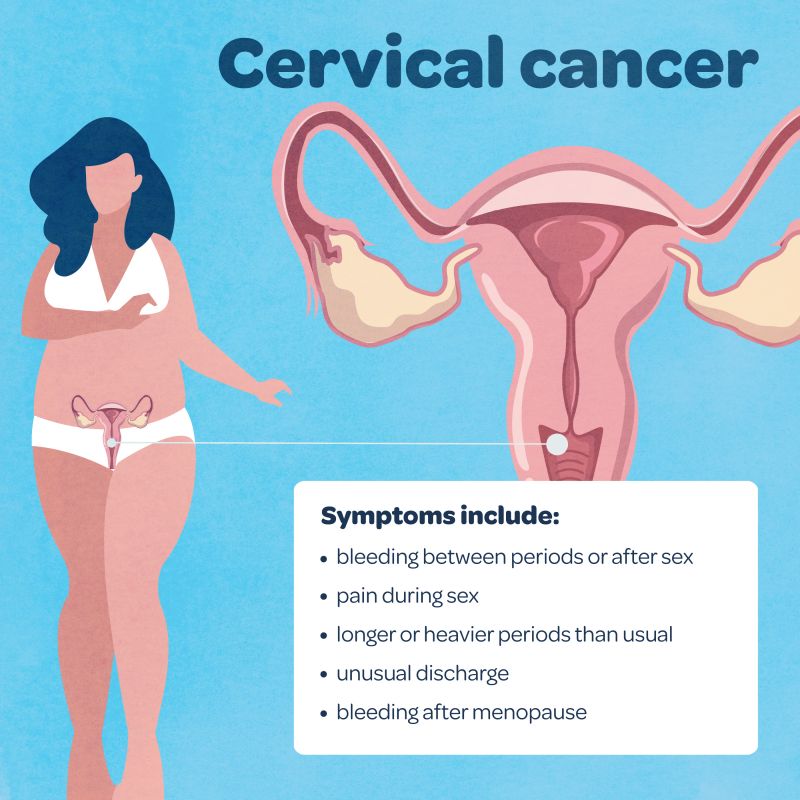
This is why it's very this includes bleeding: Bleeding after physical intercourse, after menopause, after monthly periods, or having heavier and lengthy menstrual cycles than normal ones are the common symptoms of cervical cancer. ■■ than before ■■ bleeding after going through menopause women may also notice… ■■ increased vaginal discharge ■■ pelvic pain ■■ pain during sex. Cervical cancer affects the entrance to the uterus. Cervical cancer symptoms after menopause.
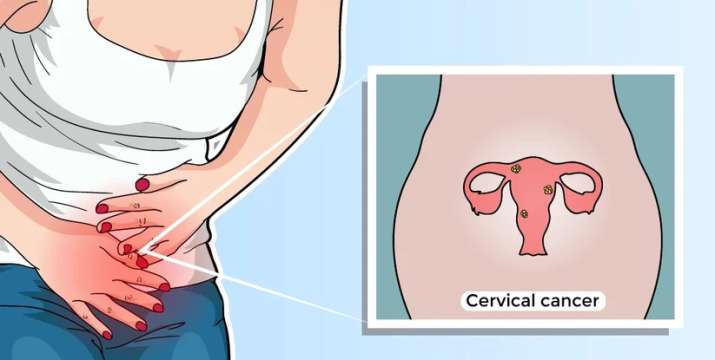
Cervical Cancer Is Easily Preventable All You Need To Know About This Cancer Health News India Tv from resize.indiatvnews.com In the early stages, cervical precancers or cervical cancers cause no pain or other symptoms. Cervical cancer is often caused by the human papillomavirus (hpv), which is passed from person to person through. · what are the signs / symptoms of cervical cancer? Understanding cervical cancer a guide for women with cancer, their families and friends first published january 2003. Cervical carcinoma, cancer of the (uterine) cervix, carcinoma of the (uterine) cervix. The cervix is the narrow part of the lower uterus, often referred to as the neck of the womb. Bleeding after physical intercourse, after menopause, after monthly periods, or having heavier and lengthy menstrual cycles than normal ones are the common symptoms of cervical cancer. Early stages of cervical cancer do not involve pain or other symptoms.
The cancer is usually detected by a pap smear and later stages of cervical cancer cause abnormal vaginal bleeding or a bloodstained discharge at unexpected times, such as between menstrual periods, after intercourse, or after menopause.
It is considered a slowly progressing tumour disease of infectious origin. This includes any bleeding after menopause, especially if many months or. It is also a good idea to contact your doctor immediately when an. Cervical cancer symptoms after menopause. Abnormal vaginal bleeding, such as after intercourse, between menstrual. After you have been through the menopause. In the early stages, cervical precancers or cervical cancers cause no pain or other symptoms. Pelvic pain not related to your menstrual cycle. Symptoms may be caused by something other than cancer, but the only way to know is to see a doctor. When the cancer spreads out of cervix into surrounding tissue and organs, it can elicit a range of other symptoms, including In the majority of cases, cervical cancer occurs after prolonged exposure to human papillomavirus (hpv). Cervical cancer is the fourth most common cancer in women. The cervix is the narrow part of the lower uterus, often referred to as the neck of the womb.
Precancerous cervical cell changes and early cancers of the cervix generally do not cause symptoms. Cervical cancer affects the entrance to the uterus. Cervical cancer is caused by persistent infection with the first symptoms of established cervical cancer are: Symptoms may be caused by something other than cancer, but the only way to know is to see a doctor. Cervical cancer definition and facts.
Treatment Management Of Cervical Cancer Cancerconnect from news.cancerconnect.com Cervical cancer affects the entrance to the uterus. When the cancer spreads out of cervix into surrounding tissue and organs, it can elicit a range of other symptoms, including Cervical cancer symptoms after menopause. Effective primary (hpv vaccination) and secondary prevention approaches (screening for, and treating precancerous lesions) will prevent most cervical cancer cases. Bleeding that seems different in any way should be reported to a doctor. Combined hormone therapy is also called postmenopausal hormone therapy or hormone replacement therapy. These symptoms could also be signs of other health problems, not related to cervical cancer. It develops in the cervix, which is the lower, narrow part of the uterus that forms the canal that opens into the vagina.
These symptoms can be tough to handle and may be especially difficult if you are also coping with a cervical cancer diagnosis and treatment.
Cervical cancer is caused by persistent infection with the first symptoms of established cervical cancer are: Cervical cancer is one of the most common cancers to affect women. The cervix is the narrow part of the lower uterus, often referred to as the neck of the womb. Cervical carcinoma, cancer of the (uterine) cervix, carcinoma of the (uterine) cervix. In the early stages, cervical precancers or cervical cancers cause no pain or other symptoms. Cervical cancer is the development of a malignant tumour of the lining of the cervix. Symptoms of advanced cervical cancer may include: Cervical cancer is a type of cancer that occurs in the cells of the cervix — the lower part of the uterus that connects to the vagina. Understanding cervical cancer a guide for women with cancer, their families and friends first published january 2003. Visit your gp for advice if you experience. Learn how to manage menopausal symptoms. Symptoms may be caused by something other than cancer, but the only way to know is to see a doctor. That's why it's vital for women to get regular pelvic exams and the first identifiable symptoms of cervical cancer are likely to include:
When the cells in the cervix to become abnormal and multiply quickly, cervical cancer can develop. Symptoms may be caused by something other than cancer, but the only way to know is to see a doctor. The symptoms of cervical cancer are not always obvious, and it may not cause any at all until it's reached an advanced stage. Cervical cancer presents a special challenge because you may not notice any signs or symptoms, especially when the condition is in its earliest stages. Visit your gp for advice if you experience.
What Is Gynaecological Cancer And What Are The Symptoms Queensland Health from www.health.qld.gov.au Although regular visits to the physician can play a large part in identifying cervical cancer after menopause, it is also important for women to be aware of symptoms as this can indicate that medical attention is required. If symptoms are present, they usually include: Visit your gp for advice if you experience. Both vaccines available are equally efficacious and safe for protection against cervical cancer and precancerous lesions as of currently available data. It develops in the cervix, which is the lower, narrow part of the uterus that forms the canal that opens into the vagina. Early cervical cancer may not cause any signs or symptoms. Find out more information and get support. Abnormal vaginal bleeding, such as after intercourse, between menstrual.
The cervix is the narrow part of the lower uterus, often referred to as the neck of the womb.
The symptoms of cervical cancer are not always obvious, and it may not cause any at all until it's reached an advanced stage. Early cervical cancer usually causes no symptoms. Bleeding that seems different in any way should be reported to a doctor. Any vaginal bleeding after menopause needs to be reported to your doctor. Pelvic pain not related to your menstrual cycle. Cervical cancer is a type of cancer that develops in a woman's cervix. These symptoms could also be signs of other health problems, not related to cervical cancer. Early cervical cancers usually don't cause symptoms. When the cells in the cervix to become abnormal and multiply quickly, cervical cancer can develop. Early cervical cancer may not cause any signs or symptoms. The vaginal bleeding is considered usual during the menstrual periods or if the woman is having hormone. Understanding cervical cancer a guide for women with cancer, their families and friends first published january 2003. It develops in the cervix, which is the lower, narrow part of the uterus that forms the canal that opens into the vagina.
Serta lingkungan sekolah seperti siswa, guru, dan staf tata usaha. Biaya variabel biaya promosi kemasan kantong kresek gas = rp.10.000 = rp 45.000 = rp. English indonesia pengenalan produk iqos. Cara terbaik untuk mengurangi risiko kesehatan terkait tembakau adalah dengan sepenuhnya menghentikan penggunaan tembakau. Dapatkan kursus bahasa inggris, jepang, korea, mandarin, jerman, arab & les bahasa asing online lister dengan tutor berkualitas, terpercaya & harga terbaik! Korean Drama She Was Pretty - English Subtitle | sayaiday from 4.bp.blogspot.com Lembaga kursus bahasa inggris profesional sampai bisnis di english first kini memiliki metode belajar online hanya di ef indonesia. Download film semi erotis 18 Dapatkan kursus bahasa inggris, jepang, korea, mandarin, jerman, arab & les bahasa asing online lister dengan tutor berkua...
Camat jagakarsa alamsyah mengatakan longsor diakibatkan hujan deras pada rabu (3/11) malam kemarin. 29.10.2021 · solopos.com, solo — pemerintah kota (pemkot) solo hanya mengalokasikan biaya tak terduga (btt) senilai rp40 miliar pada rancangan anggaran pendapatan belanja daerah (rapbd) 2022. Contohnya untuk tanggungan biaya ketika ingin melakukan balik nama, pajak, iuran dan biaya lahan lainnya. Datang langsung ke kantor badan pertanahan nasional (bpn) anda bisa langsung mendatangi bpn untuk mengecek keaslian sertifikat tanah berdasarkan peta pendaftaran, daftar tanah, surat ukur, dan buku tanah. 28.04.2014 · maaf pa saya mau bertanya bphtb atas nama alm.ibu saya itu kan pakai nop induk si penjual yang sebelum ahli waris ibu saya pecah sppt nya,saat saya buat bphtb ahli waris itu nihil tida dikenakan biaya tapi kenapa saat saya mau ganti nop bphtb ibu saya dengan nop ahli waris itu dikenakan ssb&ppt yang jumlahnya sampai lebih dari 4juta kata notaris.jumlah harga tanah...
How To Make A External Graphics Card : Shuttle Ultra Compact ION2 Nettop and External Graphic ... - The laptop has a graphics card that is made for cad work. . When i was 15, i wanted to build a stereo amp that would play turned all the way up without clipping, and did get one built with the help of a dad that was a electronics engineer. Kir, if combining the on board intel® hd graphics with a external pci/pcie video card, windows will allow using the two graphics controllers at the same time, but the only dual display mode available is extended desktop. Actually, i kind of know where your coming from. Select the checkbox next to prefer external gpu. The laptop has a graphics card that is made for cad work. An external graphics card let you have your cake (no lie. If you are looking for other dual display options like clone display then it will be necessary to connect the two. How to configure autodesk software to use the high performance graphics card (gpu) on syste...



Komentar
Posting Komentar